
Two paths, one ledger.
People use the apps. AI uses the tools. Both write the same database, so a deal underwritten in Claude shows up in forVEX Edge with nothing copied by hand.
Read article forVEX.A business. A work in progress.
THE WORK, AS IT HAPPENS
I’m Paul Cobb. I buy, renovate, and operate real estate. This is the record of the decisions, systems, and lessons shaping that business.
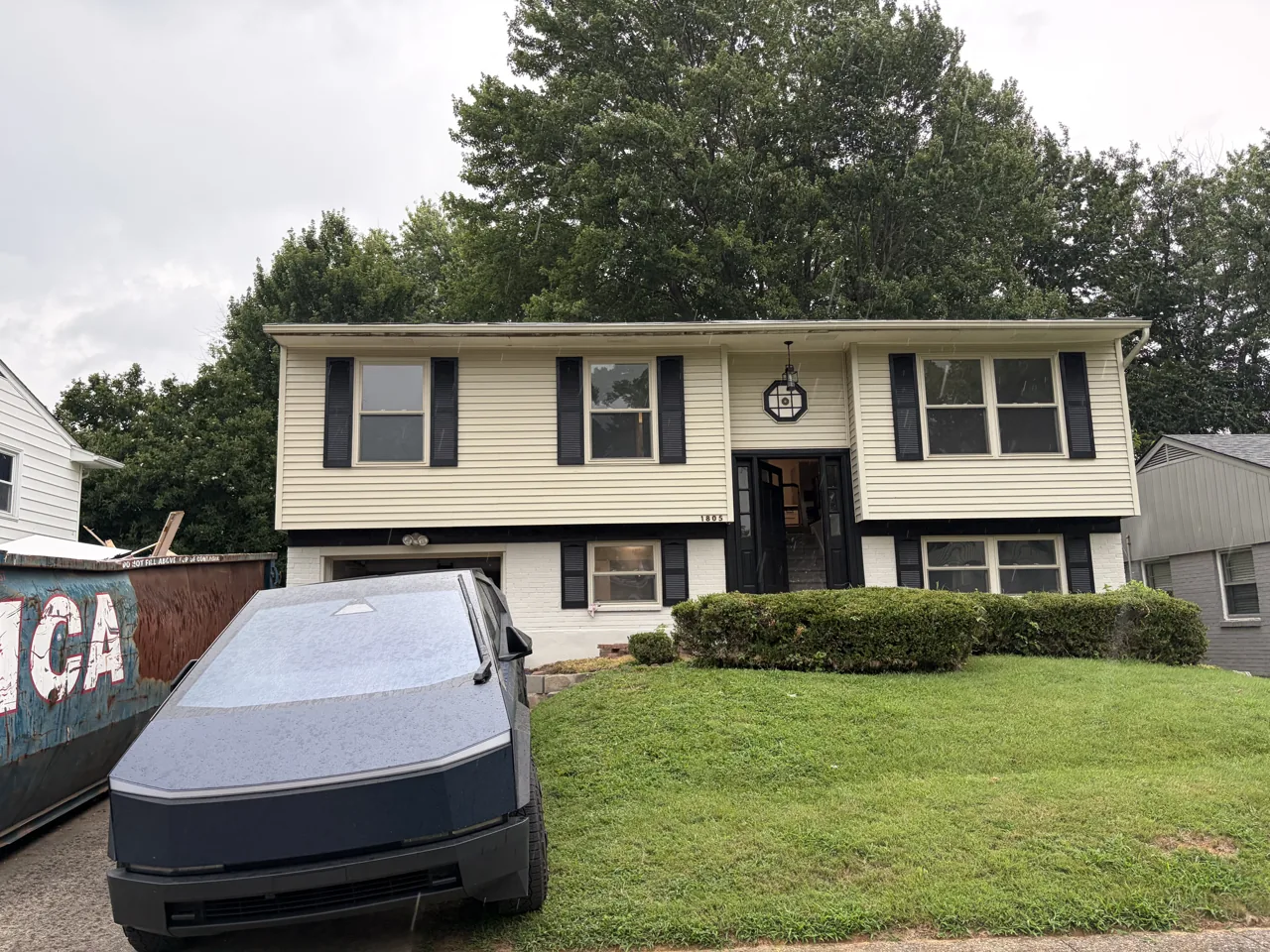
Working the deals. Improving the systems.
Keeping the decision human.
Plus two companion apps: Train and Scan.
Inside the operation ↗A DECISION WORTH DOCUMENTING
I have automated most of this business. One number still resists: what a rehab actually costs me. Why I stopped trying to close that gap, and started treating it as a measurement of the moat.
Read the thinking behind it →THE LONGER VIEW
Written when something settled. Or needed questioning.
People use the apps. AI uses the tools. Both write the same database, so a deal underwritten in Claude shows up in forVEX Edge with nothing copied by hand.
Read articleFor thirty years, buying off the shelf beat building, because building was expensive. That trade just changed, and the thing you get back is software that knows which deal it is looking at.
Read articleSalesforce put its CRM inside Claude and told the world its own interface no longer matters. The architecture is right. The piece they left out is the one that compounds.
Read articleA model cannot return an empty set. Ask it something it has no basis for and it fills the hole anyway, because filling holes is the whole job. Two vacuums come out of that, and only one of them gets talked about. Here is how I engineer the abstention the architecture will not give me.
Read articleTHE BUSINESS, NOW
Four parts of the business. A shared record. Each keeps changing as the work teaches me something new.
 forVEX EdgeGrowing
One place to see the pipeline, the portfolio, and what happened across the business.
How it works
 forVEX DealEngine measures, I pick
Work the deal in conversation. See every exit measured in one place. Pick the exit myself.
How it works forVEX BuildChat integration done
Turn the scope into a plan. Keep the actual rehab cost grounded in human judgment.
How it works forVEX PostBots draft, I approve
Write from what actually happened. Review it, approve it, and let the newsletter send it.
How it worksLETTERS FROM THE WORK
A real-estate operator’s take on implementing AI in business. The useful parts, the limits, and what actually happened.
THE STORY SO FAR
A few decisions that shaped the business, with the original notes behind them.
Read the full story →Rehab cost resists the automation. Treating that limit as a boundary changed how I use the tools around it.
1 sourceWorking alone means losing the person across the desk who tells you you’re wrong. A sparring partner and a weekly accountability routine help rebuild that loop.
1 sourceThe buy box, approval gates, and operating record become the stable part. Models and interfaces can change around them.
2 sources